
 Rheuma Tv

How effective are JAK inhibitors for treating psoriasis or psoriatic arthritis?
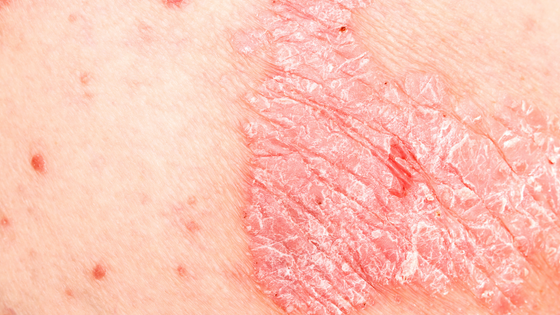
Psoriasis affects almost 1-3% of the general population and often manifests as erythematous scaling plaques. Topical ointments and phototherapy are the preferred treatments. However, they are unsuccessful in controlling moderate to severe cutaneous disease. Although synthetic and biological disease-modifying anti-rheumatic drugs (DMARDs) are found to be effective for treating psoriasis and psoriatic arthritis (PsA), the … Read more
An update on the effect of exercise on bone mineral density in postmenopausal women

A meta-analysis of intervention studies published in Osteoporosis International has provided further evidence on positive effects of exercise on bone mineral density (BMD) at the lumbar spine (LS), femoral neck (FN), and total hip (TH) in postmenopausal women. Mohebbi and his co-researchers evaluated the data from 80 studies including 5581 participants divided into 94 training … Read more
Study shows the reliability of wearable sensors for gait assessment in knee OA individuals

The COVID-19 pandemic and newer technological advances have triggered the implementation of digital solutions in healthcare for providing sustainable and sensible healthcare. The use of AI-powered wearable devices, telehealth, and virtual tools helps in monitoring patients in clinical settings as well as at home. Now, a recent study published in Arthritis Care & Research by … Read more

Virtual Bi-monthly lecture series on AIRD and Inflammation – 1st Series SLE and Inflammation
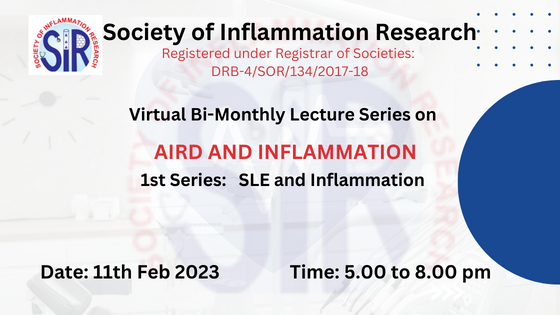
[presto_player id=7616]
Psoriatic arthritis linked to comorbidity burden and shorter ustekinumab persistence

A recent study published in Rheumatic and Musculoskeletal Diseases Open has noted increased comorbidity burden and shorter ustekinumab (UST) persistence in patients with plaque psoriasis and psoriatic arthritis (PsA) compared to those with plaque psoriasis alone. The retrospective observational study selected 9057 patients enrolled in the British Association of Dermatologists Biologic and Immunomodulators Register. The … Read more

The use of oral bioengineered probiotics for treating rheumatoid arthritis may replace painful injections

Therapeutic approaches that combine efficacy and minimum side effects are necessary for the effective management of rheumatoid arthritis (RA). Researchers from Baylor College of Medicine and several other institutions have devised a revolutionary method for the oral delivery of Kv1.3 channel blocker using a bioengineered probiotic, which may help in replacing injections for targeted drug … Read more